
How to Create a Funnel
Creator Pro Feature✨
This feature is only available on the Creator Pro plan. To upgrade, visit your Settings tab in your account, or click here to learn more.
What is a Funnel?
A Funnel is a way to guide your audience through a streamlined purchasing experience, one product at a time. Instead of seeing all of your products on your Stan Store at once, a Funnel directs your customer to a specific starting product.
After they sign up for that product, they’re automatically redirected to the next one in your Funnel — and then to the next, and so on. You can use Funnels to collect leads, promote a core offer, and present additional upsell or downsell offers based on customer actions.
Understanding Funnel Pages
Before creating your Funnel, let's breakdown the different page types:
Entry Page
The Entry Page is the first page customers see when entering your Funnel. This is typically a free Lead Magnet, opt-in offer, or introductory product designed to capture interest and start the customer journey.
Subsequent Offer
The Subsequent Offer is the next product shown after a customer completes the Entry Page. This is usually your primary paid offer or core product.
Following Offers
Following Offer pages allow you to create upsell and downsell paths. You can decide where customers go next based on whether they purchase or skip the previous offer.
Upsell vs Downsell
| Upsell | Downsell |
|---|---|
| An offer shown to a customer after they purchase a product. | An offer shown to a customer when they decline or skip a product. |
💡 Your funnel can contain up to 20 pages, with a maximum of 5 upsells and/or downsells!
Create a New Funnel
- Navigate to Funnels from the left-hand menu.
-
Click + Create New Funnel.

Configure Your Entry Page
After creating your Funnel, you’ll begin on Page 1: Entry Page.
- Select a product from the product dropdown. This is often a Lead Magnet or introductory offer.
- (Optional) Add Button Text. This serves as your call-to-action button text.
-
Click Publish Page.
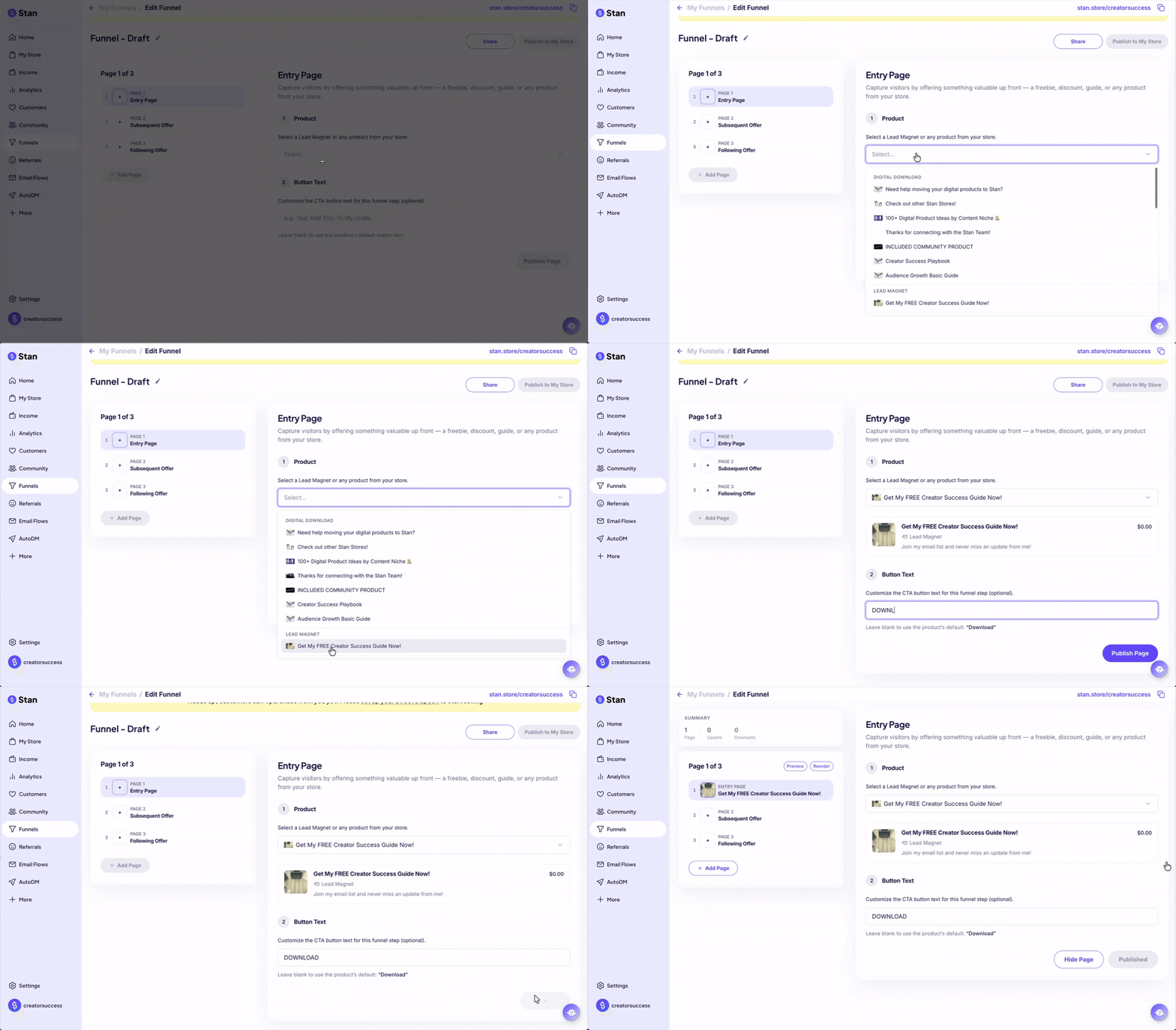
💡 The Funnel Name will automatically default to the title of the product selected on your Entry Page. This can be modified following the steps in Customize Your Funnel Name and URL.
Add a Subsequent Offer
Once your Entry Page is published:
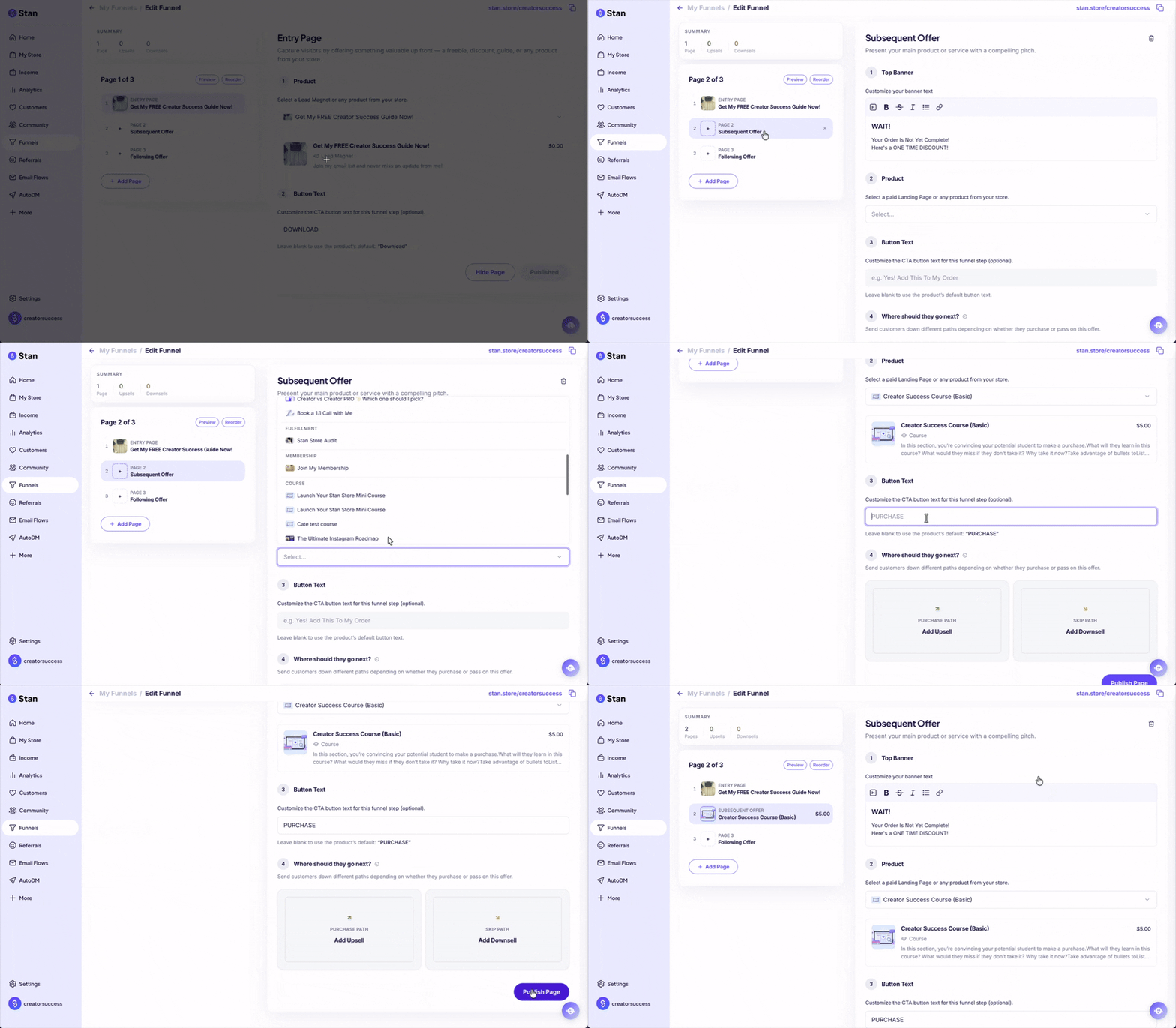
- Click + Add Page (if you're using the Empty template) or proceed to Page 2 (if you've chosen the Basic template).
- Enter your Top Banner Text.
- Choose the product you want to offer next.
- (Optional) Customize your Button Text.
-
Click Publish Page.
Add Following Offers (Upsells & Downsells)
After publishing your Subsequent Offer, you’ll see the Where should they go next? section. This allows you to create different customer journeys depending on whether someone purchases or skips the current offer.
Purchase Path (Upsell)
Use ↗Add Upsell to create an offer that customers will see after purchasing the previous product. Upsells are commonly used to present a higher-value product, premium product, or complementary offer.
- Click ↗Add Upsell under the Purchase Path section.
- Configure the offer:
- Add your Top Banner text.
- Select a product.
- Customize the Button Text (optional).
- Click Publish Page.

Skip Path (Downsell)
Use Add Downsell to create an offer that customers will see if they decline or skip the Subsequent Offer product. Downsells are commonly used to present a lower-priced alternative or simplified offer.
- Click Add Downsell under the Skip Path section.
- Configure the offer:
- Add your Top Banner text.
- Select a product.
- Customize the Button Text (optional).
-
Click Publish Page.

💡 Pro Tip! Each new page you create can have its own Upsell and Downsell paths, allowing you to build a customized Funnel experience based on customer decisions.
Example Funnel Structure
Here’s an example of how a Funnel can be configured:
- A customer signs up for a free Lead Magnet.
- They are shown a Quick Guide for $5.99.
- If they purchase the Quick Guide, they are upsold to the Course for $29.99.
- If they decline the Quick Guide, they are downsold to the Live Webinar for $19.99.
-
Regardless of customer actions, they will be shown the Community Subscription for $9.99.

📣 Heads up! Funnel Confirmation Pages are automatically created and are not customizable.
Preview Your Funnel
Before publishing your Funnel, you can preview the customer experience to make sure everything looks and functions the way you expect.
- Click the Preview button in the Funnel editor.
- Follow the Funnel as a customer would.
- Test different paths through the Funnel.
-
Return to the Funnel editor and make any adjustments needed.

💡 Previewing your Funnel is a great way to verify that customers are being routed to the correct pages and that your offers appear in the intended order.
What Should I Check During Preview?
We recommend reviewing:
- Product selection on each page.
- Banner text and messaging.
- Call-to-action button text.
- Upsell and Downsell paths.
- The earnings counter, which updates based on the path taken through the Funnel and reflects the total value of products selected along that customer journey.
- Overall customer journey from start to finish.
This helps ensure your Funnel provides the experience you want before sharing it with customers.
Reorder Funnel Pages
If you'd like to change the order of pages in your Funnel, click Reorder. This will open the Manage Pages view, where you can reorganize the pages in your Funnel and adjust the customer journey as needed.
- Click Reorder in the Funnel editor.
- Review your Funnel pages in the Manage Pages view.
- Rearrange the pages as needed.
- Save your changes.
💡 Heads Up!
Upsell and Downsell pages are attached to their parent offer and will move together when reordering your Funnel.
If you’d like to move an Upsell or Downsell page independently, you’ll first need to detach it from its current path. Once detached, it becomes a standalone page that can be reordered anywhere in your Funnel.

Hide Pages
You can temporarily remove a page from your Funnel without deleting it by using the Hide Page option.
There are two ways to hide a page:
- Click the Hide Page button directly from the page editor, next to the Published button.

- Click the Reorder button, click the three dots ⋮ on the righthand side of a page, and select Hide Page.

Customize Your Funnel Name and URL
By default, your Funnel Name will automatically match the title of the product selected on your Entry Page. If you'd like to customize your Funnel details:
- Click the pencil icon next to the Funnel Name.
- The Edit Funnel Details window will appear.
- Update the following fields as needed:
- Funnel Name – The internal name of your Funnel.
- Funnel URL Slug – The unique text that appears at the end of your Funnel URL.
-
Click Save.
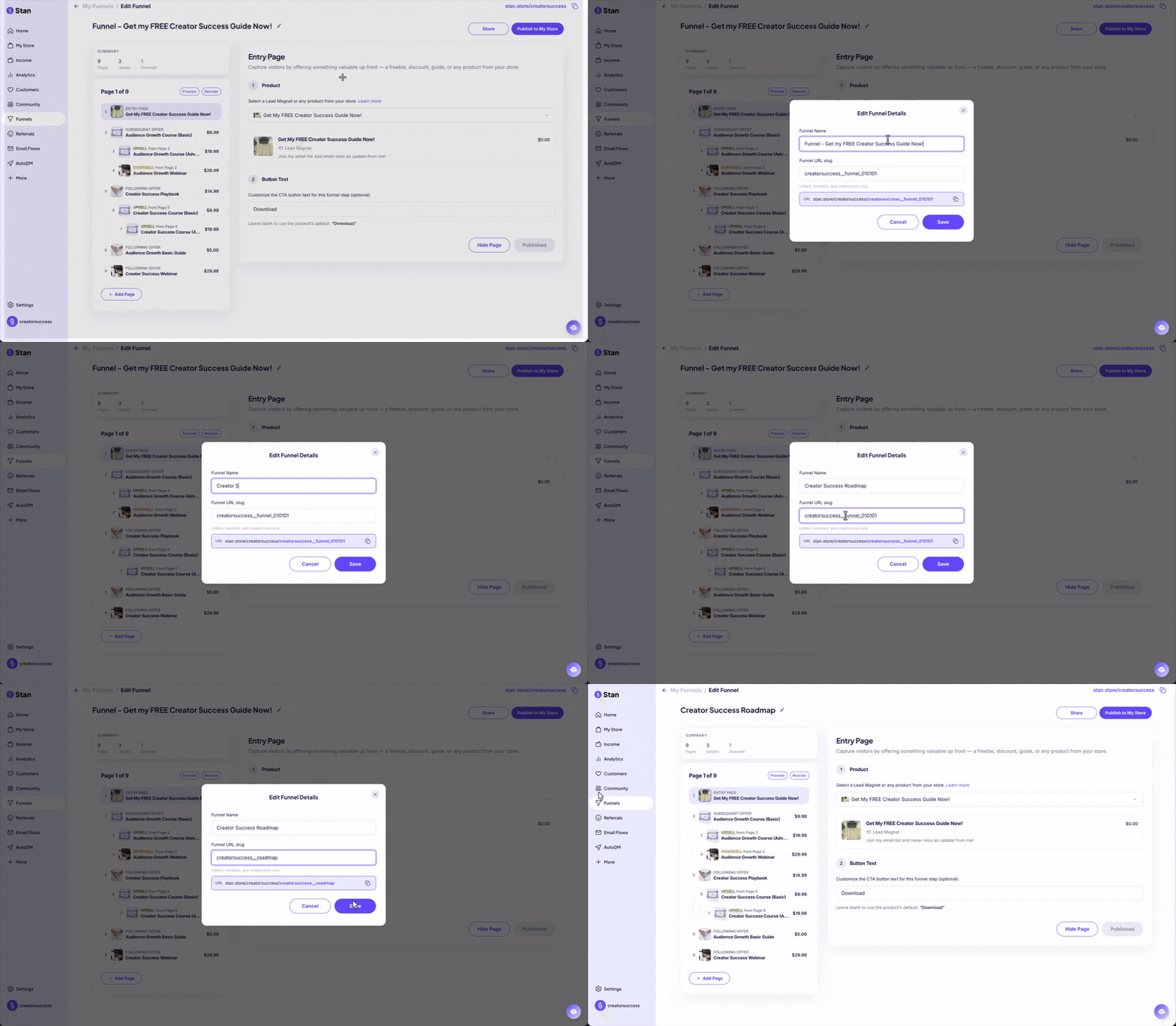
💡 We recommend using a short, descriptive slug so it's easy to recognize and share. URL slugs can only contain letters, numbers, and underscores.
Publish Your Funnel to Your Store
Once you've finished building and reviewing your Funnel, you can add it directly to your Stan Store.
- Click Publish to My Store in the top-right corner of the Funnel editor.

-
Stan will automatically create a URL / Media Product in your My Store tab. The URL / Media Product will link directly to your funnel.
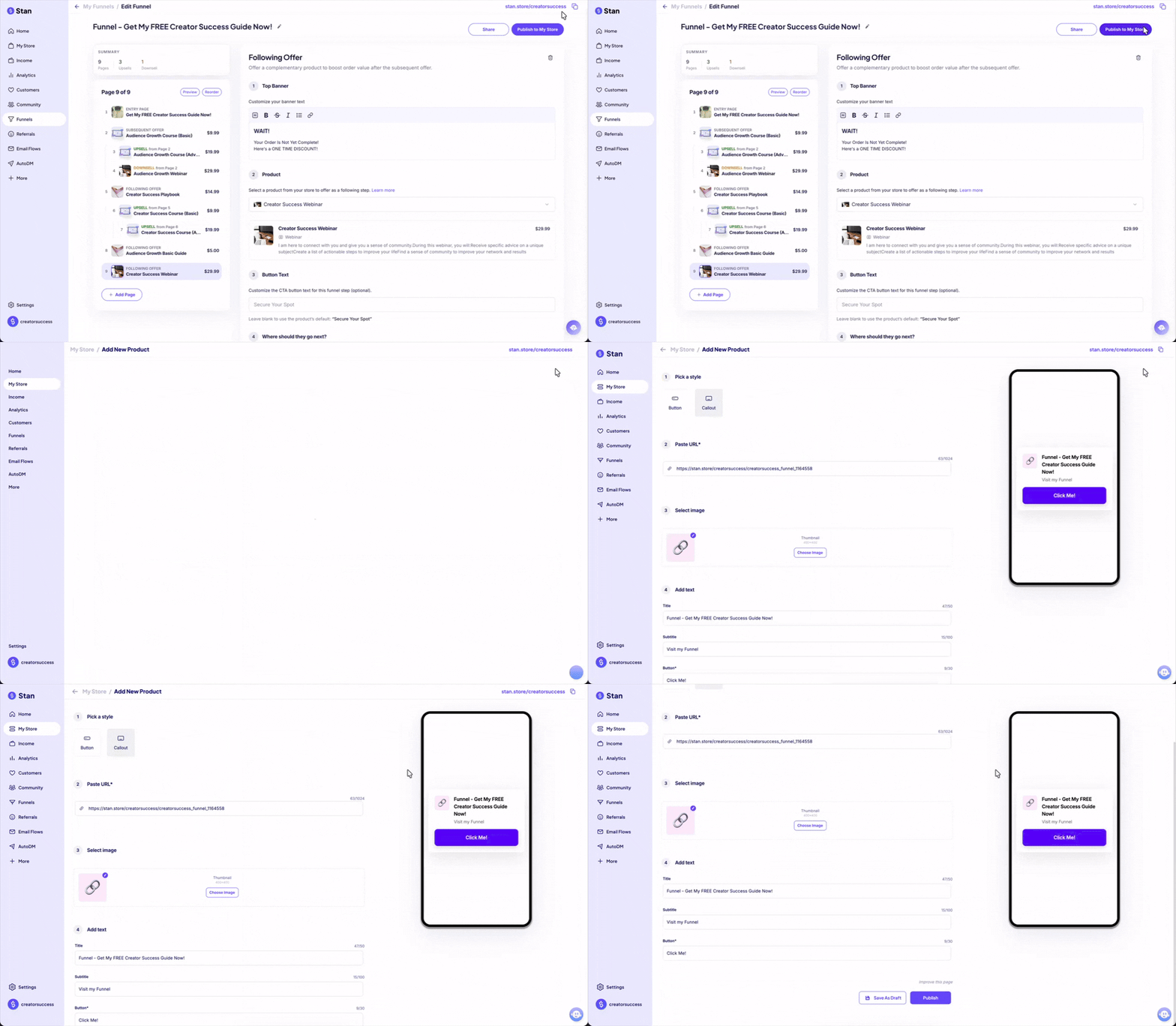
💡 This URL / Media Product is what customers will see on your storefront. When they click it, they'll be taken directly to your Funnel's Entry Page.
- You can now edit the URL product that your funnel is housed in. Customize the:
- Image
- Title
- Subtitle
- Button Text
- Click Publish. Now your funnel is live on your store front! 🎉
🚨 Heads up!
Currently, customers can only purchase products in Funnels via the Stripe credit card field. PayPal, Apple Pay, and Payment Plans are not supported on Funnels products.